Current Update – My significantly less fearful life feels normal these days. Most people are surprised to find out how shy I was. There’s a freedom in how I operate now that didn’t become a reality until my 40s, 50s, and 60s. It’s part of what I love about the journey that has unfolded for me.
Intro when first posted in March 2015: This is the first part of a discussion. some background info for what is ahead. Coming soon in other posts – thoughts on being a strong (dangerous?) woman and thoughts on being an introverted leader.
I’m an introvert. I’m also shy in many situations (although not as painfully shy as I was for the first 25-30 years of my life). And the big work God has done in my life in the last 15+ years (yes – in my 40s and 50s and now my 60s) is deal with the fear that had permeated most of my life.
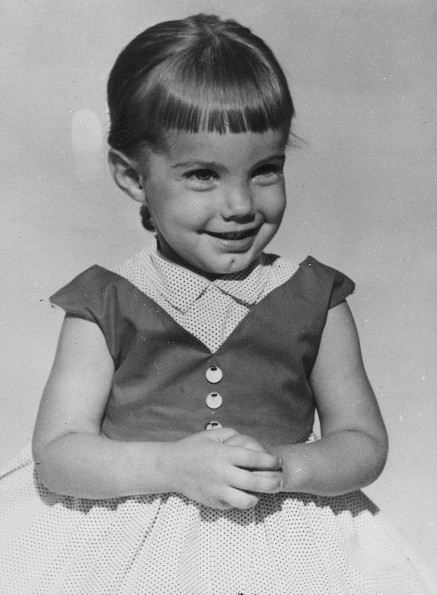
My childhood, my teen years, my twenties and into my thirties are full of memories of shyness. Even now I can remember how it felt. And it was painful. I usually felt like the shy little girl who never grew up and never fit in.
I was in my thirties before anyone significantly challenged my assumption that shyness and introversion were the same thing. I’m not sure whether I thought I was an introvert because I was shy. Or that I was shy because I was an introvert. It didn’t really matter because I believed they were inextricably linked.
I was unaware that I also believed another lie embedded in that. The lie said: “You’re always going to be this shy. You’ll never be able to change. There are a lot of things not available to you because you’re introverted and shy.” Introversion and shyness felt so closely tied to “how I am made” that I could not picture being any other way.
Here’s how shy I was – I ended up sobbing in a college professor’s office because 30% of my grade was going to be class participation and I just couldn’t do it. (And my identity at that point was pretty much wrapped up in being a straight A student.) I wouldn’t suggest a restaurant or a movie when going on a date because I was afraid my date would think it (and therefore I) was stupid. I wouldn’t speak up in class, in a group or to a boss unless specifically addressed and drawn out. Spiritually, as more and more friends were experiencing the “charismatic renewal”, I was terrified – the idea of speaking in tongues was horrifying to me as an intensely shy person.
And the weight of that was crushing. I avoided things that nudged my heart – activities at school, chances to grow, things I wanted to do – and I blamed it on my shyness.
More importantly, I didn’t allow myself to dream big dreams. I couldn’t picture ever having a significant ministry. I tentatively mentioned to my mom once that I might want to be a missionary and her fearful response that I couldn’t do that because it was too dangerous just shut me down. As a teenager, I didn’t have what it took to press through that.
But eventually I began to look at the pieces I hadn’t looked at before. The relationship between shyness and fear. The ways that shyness and introversion are NOT connected. I’d always known I was fearful – but I hadn’t fully factored it into the mix. And I’d never seriously dealt with the reality that I could do something about the fear.
Scripture tells us to “Fear not”. Why would we be given a command unless it was possible to follow it? Is it really possible that when you strip away theological analysis, it’s as simple as ‘not fearing’? Did that mean being a fearful person could be changed? What would it look like to confront fear and move past it? Where would the courage come from? Does a shy person have to go through a different process than a non-shy person?
It didn’t happen overnight, and in fact it happened most significantly during the stage of my life where I had the most reason to be “legitimately” fearful. I had amazing counselors who firmly and gently held out hope to me. My fear began to break apart. I discovered I had a “voice” that I desperately wanted to use – and which deserved to be heard. I took baby steps of courage and lived through them, discovering that they brought freedom instead of death.
I began to entertain the possibility that I mattered, a sense that had been missing while I was imprisoned in shyness and fear.
I’m still an introvert – although on Myers Briggs I test closer to the center of the continuum than I used to. Once my shyness began to break apart, it did change how I answered the questions on the assessment. I’m still shy in some settings – and while I want to work on that where it is fear-based, I’m also learning to be content that I’m not the exuberant, bubbly, dive right in type of person. Not all quietness and reservation is unhealthy or fear-based shyness.
I tend to initially be an observer, especially in groups that I am newly a part of. I take my time. I don’t wrest control away from anyone else. It helps when I have an expected role – both in my own mind and in the perception of the people I’m with. That opens doors for me to be fully engaged.
I can operate outside of these parameters when I need to. And I’m still growing. But the sorting out I did related to shyness, fear and introversion laid the foundation for much of what has unfolded in this season of my life.
To be continued …
[New P.S. If you are an introvert, have introverted kids or just want to understand what introverts bring to the table and how best to support them I highly recommend Susan Cain’s book “Quiet”.]

 Betty's Thoughts